The first call about party entertainment rentals usually starts with excitement and ends with a few dozen practical questions. Where will it go? How much power do you need? Who is watching the kids? If you have not rented inflatables or event gear in a while, the moving pieces can surprise you. The good news is that a well-run rental company comes with its own rhythm. Once you understand that rhythm, from the site survey to the final sweep after pickup, the process feels predictable and calm.
I have planned and staffed backyard party rentals, school event rentals, church event inflatables, and corporate event rentals in gyms, parking lots, and parks. The environments differ, but the fundamentals repeat: space, access, power, weather, supervision, and schedule. The companies that do this full time design their processes to protect guests, protect equipment, and keep your event on time. Here is what that looks like, step by step, and the judgment calls that matter.
Scoping the event: matching the rental to the crowd and space
A birthday party with a dozen children aged 4 to 6 needs different gear than a field day with 400 students rotating every 20 minutes. The industry shorthand can be confusing. Jumper rentals, moonwalk rentals, and bounce house rentals often describe the same basic inflatable: a 13 by 13 or 15 by 15 square bounce area with mesh sides. They fit well in most yards, handle 6 to 8 children at a time depending on size, and require one standard 15-amp circuit.
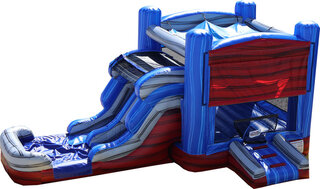
A combo bounce house adds a small slide or pop-up obstacles, which keeps kids moving and reduces line fatigue. Water slide rentals raise the excitement and throughput, but they require a garden hose, drainage planning, and more cleanup. Obstacle course rentals, especially the longer inflatable obstacle course designs, excel at school fun days and corporate picnics because they move people quickly. A 40-foot lane can put 150 to 200 participants through per hour if you manage the line.
Carnival game rentals, table and chair rentals, and concession machine rentals round out a package. A simple layout might put a combo near the patio, a ring toss and giant Jenga by the fence, and a snow cone machine close to power and away from cords. For larger event rentals, you might add two identical inflatables rather than one massive piece. Duplicates shrink the line and reduce meltdowns. In a gym or cafeteria, dry-only inflatables with sandbag anchoring make sense. On a field, stakes and generators give you more freedom.
Think in terms of age ranges and supervision. Five-year-olds love a basic moonwalk. Middle schoolers will ignore it and swarm a dual-lane inflatable obstacle course or a fast water slide. Adults at a corporate picnic will actually use a short course if you set up light competition and a clear path back to the start.
Measurements and surfaces: the details that make or break setup
Space is the first constraint, and it is not just footprint. Plan for clearance on all sides for safety and for the blower tubes. A 15 by 15 bounce house often needs a 17 by 17 to 20 by 20 pad, with 15 to 16 feet of vertical clearance. Water slides range widely, from 12 feet tall for backyard party rentals to 22 feet plus for big events. Taller pieces need stable ground and more anchoring. Overhead clearance matters more than you think. Low branches, eaves, and string lights can halt a setup.
Surface type drives anchoring. On grass, stakes 18 to 36 inches long go into the ground at set angles and are capped and flagged. On asphalt or concrete, companies use water barrels or sandbags as ballast. A 15 by 15 may need 4 to 8 sandbags weighing 50 to 75 pounds each. A large slide may require multiple 55-gallon water barrels filled on site, which means a hydrant connection or time to fill from a hose. Many cities restrict water use in drought season. Ask early. Synthetic turf requires extra care; many installers ban stakes entirely to protect the base. Plan for ballast and protect the turf with tarps.
Access is the underrated constraint. Standard gates are 36 inches wide. Many inflatables roll to 36 inches or less when dolly-loaded, but tall slides and long obstacle pieces can exceed that. Steps are the kryptonite. A single step is manageable with ramps. Ten steps to a backyard deck add real labor time and sometimes a surcharge. If your only path is a narrow side yard with AC units and a 90-degree turn, send photos and measurements to the company before you book. Good providers welcome site photos. It saves everyone time.
Power, water, and generators: planning the energy flow
Most bounce house blowers pull 7 to 11 amps on start, then settle to 6 to 9 amps. That means a single blower runs on a dedicated 15-amp circuit with a 50 to 100-foot heavy-duty extension cord, 12-gauge preferred. A combo may use two blowers. An inflatable obstacle course often uses two to four blowers depending on length. The rule is simple: no daisy-chaining with lightweight cords and no sharing a circuit with refrigerators, DJ systems, or concession machines.
Ground fault protection is not optional. Outdoor outlets should have GFCI. If you are running power from a garage, test it. A company can bring a generator sized to the total amperage with at least 20 percent headroom. A small generator runs one to two blowers. A towable or parallel generator setup handles large rigs and concessions. Place generators downwind and 15 to 20 feet away to reduce noise and fumes, and tape or cover cords across walkways.
Water slides need a standard spigot and hose with decent pressure. Avoid hot midday asphalt near splash landings. Plan drainage. Grass absorbs, but on clay or a small yard, water will pool. Slides release 50 to 200 gallons over a few hours, sometimes more. If you are in a tight space, ask for a landing pool with a drain tube you can direct to a safe area.
Choosing the right mix: equipment trade-offs that matter
Bounce house rentals and jumper rentals are entry-level crowd pleasers. They are affordable, easy to supervise, and quick to set up. A combo bounce house adds visual appeal and extends play for a mixed-age group. Water slide rentals deliver the wow factor. They also soak clothes, which can be a problem at a church picnic after services or at a corporate event without changing space.
Obstacle course rentals drive throughput. If your school expects 300 kids in a two-hour window, a single 70-foot course with a race format and two operators will keep lines moving while staying safe. If your backyard has limited grass but a wide driveway, dry-only inflatable party rentals with sandbag anchoring can be a smart move. Carnival game rentals often help fill gaps during transitions and give non-climbers a way to participate. A simple ring toss next to the concessions line reduces crowding near slides.
For larger gatherings, add table and chair rentals with a layout that respects shade and traffic flow. Place concession machine rentals, like popcorn or cotton candy, far from inflatables to avoid sticky residue on equipment and to keep syrup and kernels away from blower intakes. For church event inflatables, space them to allow stroller movement and post signage for dress code, especially for slides. For corporate event rentals, brand-friendly colors and professional attendants matter; ask for neutral or company-color pieces if available. Many providers carry primary-color units that look clean in photos.
Booking and pre-event communication: what your provider needs to know
When you call or click on inflatable rentals near me and start comparing quotes, the best companies will ask for specifics. Have a few details ready and expect a quick back-and-forth. The conversation should feel consultative, not like a takeout order. Good providers steer you away from mismatches, like a 22-foot water slide for a shady, tree-filled yard with a 32-inch gate.
Here is a lean checklist you can prep before booking:
- Event date, start and end times, and whether setup can happen the day before Guest count by age range and any special needs for accessibility Exact surface, dimensions, and access path including gate width and steps Power and water availability, distance to outlets and spigots Site photos from multiple angles, plus HOA or park rules if applicable
The company should confirm delivery windows, weather policy, payment schedule, cancellation or raincheck terms, and whether you need a certificate of insurance. Schools and cities usually require a COI naming them as additional insured with specific limits. Corporate events often need vendor onboarding and W-9s. Do not leave that paperwork to the final week.
Permits, insurance, and safety standards
Safety is the non-negotiable. Ask if the company carries at least 1 to 2 million dollars in general liability and if their inflatables meet ASTM standards for design and operation. Many states require periodic inspections and decals. At minimum, look for clean, intact vinyl with no exposed stitching at high-stress points, working zippers and netting, and properly rated blowers.
Anchoring is not just a best practice, it is required. On grass, stakes must match the manufacturer’s spec for length and angle. On hard surfaces, ballast weights or water barrels must meet the required pounds of resistance per anchor point. Wind limits usually sit at 15 to 20 mph sustained, lower for tall slides or open-sided units. A handheld anemometer is cheap insurance. If gusts spike, operators should deflate temporarily. It is not the fun choice, but it is the right one.
For generators, fire marshals sometimes require fire extinguishers nearby and no refueling while the generator is hot or running. Parks often demand a permit for inflatables, proof of insurance, and specific anchoring restrictions. Some ban water slides to protect grass. Clarify noise curfews in neighborhoods. A blower hum is steady, but generators and DJs carry farther than you think on a still evening.
The delivery day: what actually happens on site
A well-run team hits their arrival window and walks the site before unloading. They measure, confirm power, and discuss the layout. Do not be surprised if they request a small shift in placement to avoid a low limb or to angle the blower tubes away from a walkway. They will strap ramps, drop tarps where needed, and build from the ground up. Setup for a basic bounce house runs 15 to 30 minutes once the path is clear. A 70-foot inflatable obstacle course might take 45 to 75 minutes. A tall water slide can land anywhere in between depending on access and anchoring needs.
On site, expect the crew to clean again. Reputable companies clean and sanitize after each pickup and spot-clean on delivery. They will vacuum, wipe with a germicidal solution, and check seams and zippers. You should see them cap or shield stakes, secure blower tubes with straps, and run cords along edges with covers or tape at crossings. Then comes the safety briefing. They explain max occupancy, age restrictions, slide rules, and shutdown steps for weather or power loss.
For events with attendants included, the crew may leave one or more staff on site. For backyard party rentals, the responsibility typically shifts to the host after training. If you do not want that responsibility, ask for a staffed package. An attendant manages lines, enforces rules, and watches wind. That frees you to host rather than police.
A straightforward delivery timeline often looks like this:
- Arrival and site walk: confirm placement, power, and safety clearances Unload and layout: tarps down, anchor points identified, cords routed Inflate and secure: stakes or ballast set, blower tubes tied, units leveled Clean and inspect: wipe contact areas, test zippers, confirm signage Briefing and handoff: review rules, emergency procedures, and contacts
If your event starts at 1 p.m., book delivery no later than 11:30 a.m. To absorb traffic delays and allow a relaxed setup. For school event rentals with multiple pieces, start early and stage crew so that first bell transitions are smooth. For church event inflatables after services, stagger deliveries to avoid crowding in the parking lot.
Running the event: supervision, flow, and small problems solved quickly
The difference between a smooth event and a stressful one is usually line management and rule clarity. Post simple rules at eye level near entrances. Shoes off and pockets empty reduce scuffs and tears. For water slides, add a reminder about no headfirst sliding and clear the landing pool before the next rider. A wristband or stamp system helps at larger events. Set up defined entry and exit points with cones or ropes so people do not walk across blower tubes or jump on side walls.
Mind the weather. If wind picks up or rain arrives, follow the training to deflate. Light rain is mostly a traction issue; vinyl gets slick. If you pause for rain, wipe steps and slides before reopening. If thunder is in the area, pause and move people to shelter. For heat, consider shade canopies for line areas and extra water stations.
Power hiccups happen. If a blower trips a GFCI, unplug and reset only after you confirm the cord is not wet and no one is inside the unit. That is part of the training. Generators need fuel checks at set intervals. Assign one adult to own that schedule if the company did not staff your event. For water slides, watch hose connections and landing pool drains to avoid flooding mulch beds or Party rentals neighboring yards.
Concessions benefit from deliberate placement. Put popcorn and cotton candy upwind of inflatables and away from sand or grass that can blow into machines. Give a 3 to 5 foot buffer between machines and tables for operators to move. Keep extension cords off walking paths and tape them down if they must cross.
Take-down: the last 10 percent that leaves a good impression
When the crew returns, they will reverse the setup. Expect them to confirm power off, open zippers, and let the unit relax before rolling. Water slides take the longest to strike because they must drain. If you are on a tight schedule, communicate your hard out clearly. A standard bounce house can be cleaned, deflated, rolled, and loaded in 20 to 30 minutes. A large obstacle course or tall slide can run 45 to 90 minutes with drying and ballast removal. The team should walk the area with you for a quick check, collect any misplaced stakes or trash, and confirm no personal items are inside rolled vinyl. It happens more than you think. Phones and socks love corners.
Damage conversations are rare but necessary when they occur. Vinyl tears from sharp jewelry or unauthorized flips can be obvious. Good companies carry patch kits and document with photos. Most contracts spell out repair costs and what counts as normal wear. Expect transparency, not surprises. Tipping is appreciated but not mandatory. If the crew handled stairs, heat, or a tricky path with great attitude, a tip or cold drinks go a long way.
Overnight rentals are common in busy seasons. They reduce early morning rush and can lower delivery costs. Ask about overnight security and whether the company requires deflation at night. Neighborhoods with noise curfews may need blowers off after 9 or 10 p.m. If you booked a generator, confirm it will not run overnight unless you planned lighting or refrigeration.
Budget and pricing: what drives the quote
Prices vary by region, season, and inventory quality. A basic 13 by 13 bounce house rental might land between 125 and 225 dollars for a day in some markets, higher in metro areas with longer delivery distances. Combo bounce houses typically range from 200 to 350 dollars. Water slide rentals, depending on size, often run 275 to 650 dollars. Obstacle course rentals vary widely. A compact 30 to 40-foot unit might cost 350 to 600 dollars. A large two-lane course can exceed 900 dollars, especially with staffing. Carnival game rentals are usually 35 to 95 dollars each. Table and chair rentals are priced per piece, often with discounts in bundles. Concession machine rentals usually include a set number of servings, with extra supplies priced separately.
Delivery fees depend on distance, tolls, and access difficulty. Expect surcharges for stairs, long carries over 100 feet, and setups that require water barrel ballast. Parks and schools sometimes add permit or site supervisor fees. Busy weekends in spring and fall book out first, and rates may reflect peak demand. The cheapest quote is not always the best value; ask about cleaning, insurance, and staff training. A well-maintained unit that arrives on time is worth more than saving 40 dollars and chasing a no-show.
Edge cases and how to handle them
- Narrow gates: Measure gate width, and do not guess. If you are under 36 inches, ask for gear that rolls to 30 inches or less, or plan for an alternate path. Removing a gate temporarily can be faster and safer than forcing a tight turn with 300 pounds of vinyl on a dolly. Parks and public spaces: Start permits at least two to three weeks ahead. Some parks ban stakes and water use. Many require a certificate of insurance, named additional insured, and specific hold harmless language. Ask if generators need to be quiet models, and check for reserved drop zones for vehicles. Indoor setups: Gyms are excellent for dry inflatables. Confirm ceiling height, door width, and whether you need floor protection like tarps or Masonite. Sandbag anchoring only. Coordinate with custodial staff for power access and timing with school bell schedules. Synthetic turf: No stakes and no dragging heavy rolls across seams. Lay moving blankets and plywood paths. Place sandbags with rubber mats to prevent abrasion. Confirm that cleaning agents are turf-safe. Weather pivots: Keep a raincheck clause in your contract. Many companies allow rescheduling within 6 to 12 months if you cancel due to weather the morning of delivery. Wind is the bigger limiter. If sustained winds rise above safe limits, expect a pause or cancellation without penalty. You want that policy.
What good providers do consistently
Professional rental teams do three things better than hobby operators. They ask smarter questions up front. They invest in clean, commercial-grade gear and document maintenance. And they train staff to say no when safety is at risk. When you talk to a company, listen for process. Do they confirm power requirements and circuit separation? Do they bring ground covers to protect your lawn? Do they set stakes to manufacturer specs and cap them? Do they sanitize on site after inflation, not just at the warehouse?
Photos help. Look for photos of their actual inventory in real backyards and schools, not just stock images. Ask for references from a recent corporate event or a PTA contact. Read the contract for liability, weather, and refund terms. Clarity beats charm.
A practical walkthrough: a day in the life of a mixed event
Picture slide delivery and setup a Saturday in June. A neighborhood HOA hosts a summer kickoff with 200 guests. The layout includes a combo bounce house for younger kids, a 60-foot inflatable obstacle course for older kids and teens, two carnival game rentals near the clubhouse, a popcorn machine and a snow cone cart, plus table and chair rentals for shaded seating. Power comes from two separate 20-amp circuits near the clubhouse. The company brings a generator as a backup for the obstacle course. Setup starts at 8 a.m. For an 11 a.m. Event.
The crew arrives, walks the field, and shifts the combo 10 feet to avoid sprinkler heads. They set tarps, run cords along fence lines, and cap stakes. They sanitize contact zones, hang rule signs, and hold a briefing with the HOA volunteers. Two attendants stay on site to manage the obstacle course and combo, wearing branded shirts for easy identification. The concessions team sets popcorn upwind to keep kernels out of the inflatables, and the snow cone operator posts a menu with allergy notes.
At 11:30, wind picks up to 18 mph gusts. The attendants watch the anemometer and briefly deflate the combo while a gust passes. They restart after it stabilizes to 12 mph. The obstacle course line grows, so the volunteers start two-lap heats for older kids to reduce reentry pressure. By 2 p.m., the crowd thins. At 3 p.m., the crew returns, closes lines, and begins take-down. The obstacle course is rolled by 3:50. The combo is loaded at 4:10. They walk the field, remove tape, and check sprinklers. The HOA lead signs off, and the site looks as tidy as it did at 7:59 a.m.
That day worked because the plan respected space, wind, and power, and because the rental company and host shared responsibility with clear communication.
Final guidance for a low-stress rental experience
Choose a provider who treats your event like a partnership. Share photos and measurements early. Match equipment to your crowd and your surface. Separate circuits for blowers and concessions. Assign supervision if the company is not staffing. Watch weather with a simple phone-based wind app and do not hesitate to pause for safety. Work with clear arrival and pickup windows, and give your neighbors a heads-up if blowers or generators will run near fences.
Party equipment rentals are not just items on a rate sheet. They are logistics, safety, and smiles packed into vinyl and steel. When you align the details from setup to take-down, the day feels easy. Kids bounce, parents relax, and you get to be a host rather than a traffic cop. Whether you are searching for inflatable rentals near me for a backyard birthday or mapping a school fun day with multiple stations, the same fundamentals carry you through.